


AI Engineering
Go beyond demos. Ship AI that works.
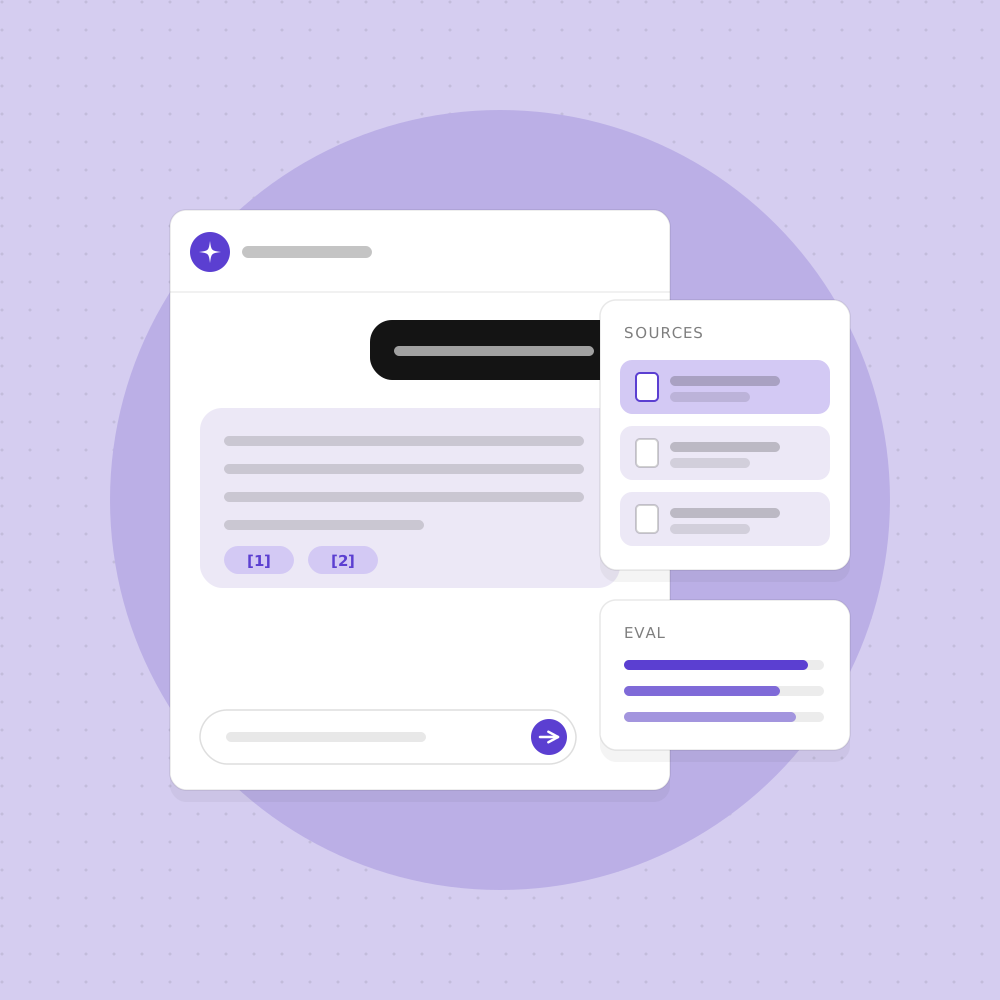
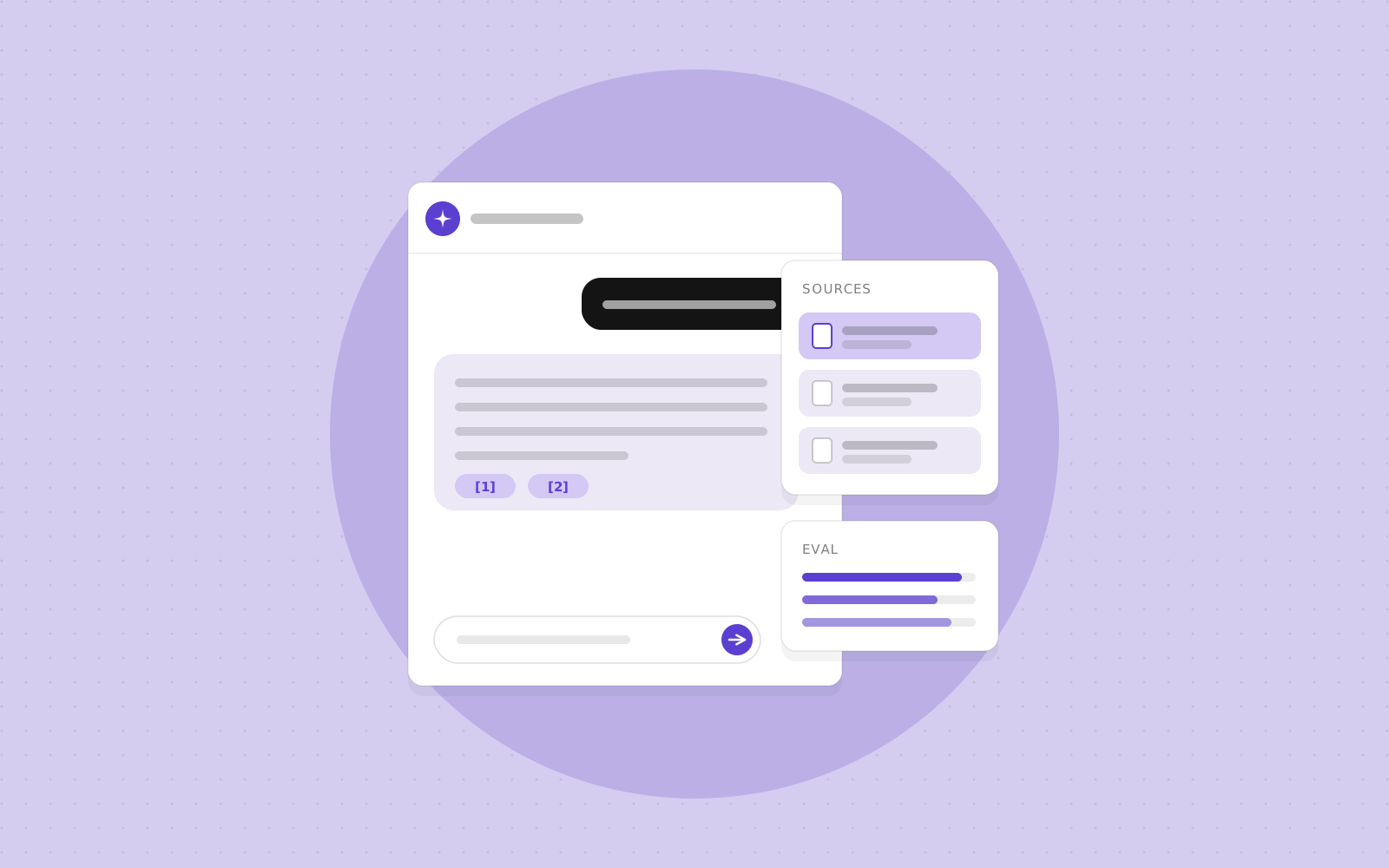
AI engineering is the practice of turning large language models into reliable product features. This course teaches you to build with LLM APIs, ground answers in your own data, create tool-using agents and, most importantly, measure whether it all works.
It's hands-on and practical: you'll build a retrieval-augmented assistant, an agent that completes real tasks and an evaluation suite that tells you when changes make things better or worse.
Enroll nowWhat You'll Learn
Practical skills taught through real projects, reviewed by mentors who use them at work every day.
LLM Fundamentals
Tokens, context windows, sampling and how to choose the right model for the job.
Prompt Engineering
Structured prompts, few-shot examples and reliable structured outputs.
Retrieval (RAG)
Chunking, embeddings, vector and hybrid search, and grounded answers with citations.
Agents & Tool Use
Give models tools, manage multi-step tasks and keep humans in the loop.
Evaluation
Build test sets, measure quality and catch regressions before your users do.
Safety & Production
Guardrails, cost and latency control, monitoring and responsible deployment.
Curriculum
A practical understanding of transformers, tokens and model behaviour.
Messages, streaming, structured output and handling errors gracefully.
Write prompts that are clear, testable and robust to edge cases.
Index documents, retrieve the right context and cite sources.
Design agents that call tools, plan tasks and recover from mistakes.
Automated evals, tracing and turning feedback into improvements.
Ship an AI feature end to end, with an evaluation report to prove it works.
Tools You'll Use
Python
The primary language of the AI ecosystem, used throughout the course.
LangChain
A popular framework for chaining models, retrieval and tools.
Hugging Face
Open models, datasets and embeddings for experimentation.
FAQ
No. This course is about building with models, not training them. Solid programming skills are what matter.
Mostly Python, with optional TypeScript examples for web developers.
Exercises are designed to run cheaply, and we show you free and open-model alternatives.
We revise the curriculum regularly as models and tools change, so you learn current practice.
Related Courses

React Development
Build fast, maintainable interfaces with modern React, hooks and Next.js.
Learn more
Frontend Development
HTML, CSS and JavaScript from the ground up, the foundation every web developer needs.
Learn more
Backend Development
APIs, authentication and servers with Node.js, built the way production teams build them.
Learn more